Farm To Table – Acid Drop
By Andrea Budde for BriarPatch Food Co-op
3 min read
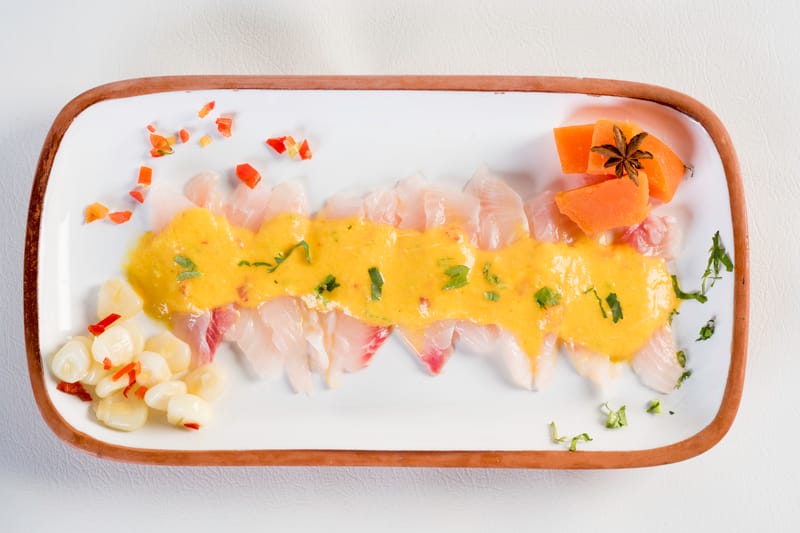
Tiradito, a traditional Peruvian raw fish dish.
iStock, Daniel San Martin
Today we’re going on an acid trip, so things might get a little far out. You won't need a lava lamp to watch things swirl and change, because the acid we’re talking about today is for cooking. Well, not exactly cooking. Oof, the effects may be kicking in...
Long before cooks understood the chemistry behind it, humans were using acid to expand their culinary minds and transform food. From cheesemaking to ceviche, we’ve been harnessing acid's ability to alter proteins for centuries. “Denaturation” is the official term for this mind-bending process, which alters a protein’s physical structure using low pH rather than heat. In their natural state, muscle proteins are tightly folded into complex three-dimensional shapes held together by delicate chemical bonds. Introducing an acidic liquid like citrus juice or vinegar floods the environment with hydrogen ions, breaking those internal bonds and forcing the coiled amino acid chains to unwind. As these loose strands tangle together and coagulate, they melt into a brand-new dimension, creating a dense network that traps water and turns soft, translucent tissue firm and visually opaque without ever touching a flame.
Turn on, tune in and drop out the heat, because this groovy method of cold “cooking” offers distinct culinary perks that traditional flame simply cannot replicate. Because no thermal energy is applied, delicate seafood retains its clean, raw, vibrant flavor profile, allowing you to taste the colors of the ocean. Thermal heat causes muscle fibers to contract tightly and squeeze out moisture, but acid denaturation creates a delicate mesh that locks in water for an exceptionally juicy, succulent bite. Plus, the acid acts as a built-in balance, cutting straight through rich fats while opening up the protein so fresh aromatics like chilies, garlic and cilantro can penetrate deep into the soul of the dish.
Traversing this at home comes down to a few fundamental rules to ensure you do not end up on a bad trip in the kitchen. Protein selection is paramount, so tune into exceptionally fresh, sushi-grade wild marine fish like halibut, sea bass or snapper. Avoid freshwater fish entirely due to parasite risks, because while acid transforms texture, it does not kill bacteria the way heat does.
Timing is equally critical if you want to keep your dish in a high state of perfection. A half-inch dice of white fish needs only fifteen to thirty minutes in fresh citrus juice to reach its peak peak-experience: firm on the exterior with a tender, barely translucent core. Leaving fish submerged in acid for hours will over-process the protein, leaving you with a chalky, rubbery bummer.
Finally, consider your acid balance so the flavor trip stays mellow. Pure lime juice can feel aggressively sharp, so cosmic-balance your marinade by blending fresh lime with lemon juice, a splash of sweet orange, or even a drizzle of coconut milk to smooth out the edges. Be sure to toss your raw fish with sea salt a few minutes before adding the liquid to set the stage.
Whether you are prepping a lightning-fast Mexican aguachile or a traditional Peruvian ceviche, leaning into acid denaturation is the ultimate way to elevate your cooking and open your culinary perception.
Tiradito
1 lb fish, thinly sliced ***
1 large sweet potato
1 ear sweet corn, or about ¾ cup kernels
Juice of 7-8 limes
1-2 Tbsp lemongrass turmeric paste (we like Mekhala)
2 cloves garlic
1 handful fresh cilantro (stems/leaves ok)
1 small habanero pepper, very thinly sliced
Salt/pepper to taste
Directions:
Peel and cut sweet potato into ½” rounds. Boil 8-10 minutes until soft and set aside.
Boil sweet corn for 3-5 minutes, remove from heat and rinse in cold water to stop cooking.
In a blender, combine lime juice, lemongrass/turmeric paste, garlic and cilantro until very smooth. Add salt/pepper to taste.
Arrange thinly sliced raw fish (or veggie alternative) and pour the sauce on top. Arrange sliced sweet potato and sweetcorn kernels alongside fish. Add sliced habanero to taste.
Serve immediately.
***Substitute sliced hearts of palm for the fish for a veggie alternative.