CA Bill Targets Parole Reviews and Sex Offender Commitments
The bill would ease challenges to parole decisions and broaden sexually violent predator status.
2 min read

SB 1446 makes changes to rules for parole decision reviews.
SACRAMENTO — Senate Bill 1446, introduced on March 19 by the California Senate Committee on Public Safety, would change how California handles certain parole decisions and sexually violent predator referrals. Key changes focus on governor-requested reviews by the Board of Parole Hearings and expanding who qualifies for sexually violent predator evaluations.
Existing law requires the board to find an error of law, an error of fact, or new information likely to change the outcome before altering a panel’s decision. Senate Bill 1446 removes that requirement for governor-initiated reviews. The bill also requires the board to make the final en banc decision and each commissioner’s vote public records.
The measure also expands sexually violent predator referral rules. Current law mainly allows referrals for inmates with determinate sentences or revoked parole. Senate Bill 1446 adds people serving indeterminate life sentences. The Department of Corrections and Rehabilitation secretary may order an evaluation if a release date falls within 6 months of a parole grant. Evaluators must still find a diagnosed mental disorder likely to lead to new sexually violent crimes. Counties would manage any resulting commitment petitions. The changes create a state-mandated local program, with reimbursement required if costs are approved by the Commission on State Mandates.
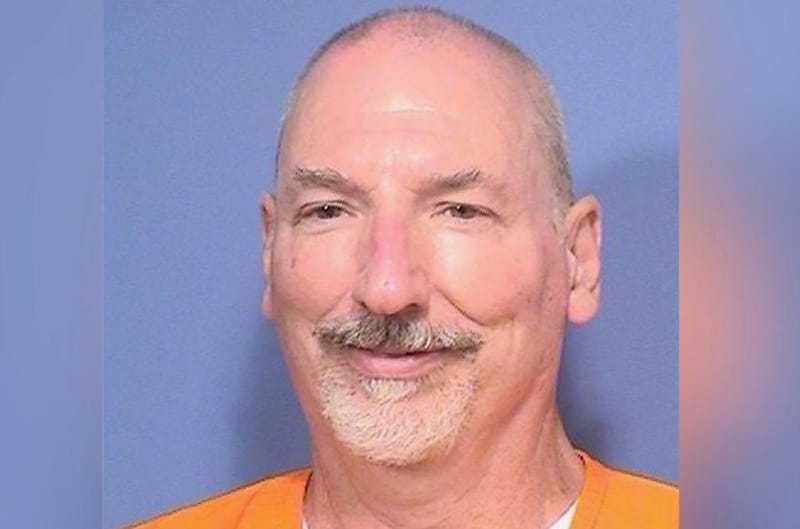
A mugshot of David Allen Funston from the California Department of Corrections and Rehabilitation.
The bill follows controversy over the parole of David Allen Funston. Funston was convicted in 1999 on 16 counts of kidnapping and child molestation involving victims as young as 4 years old. He received three consecutive life sentences, but a panel granted him parole in September 2025 under the Elderly Parole Program. Though Governor Gavin Newsom requested an en banc review on January 9, the full board reaffirmed the grant on February 18. Funston was set for release on February 26, but authorities transferred him to Placer County that morning on a warrant for an alleged 1996 child sexual assault.
Senate Bill 1446 could alter future cases like Funston’s. The legislation removes barriers to broader reconsideration by the board when the governor requests review. The full text of the bill is available here.