Katie's Sightings
3 min read
Neighborhood Natural History
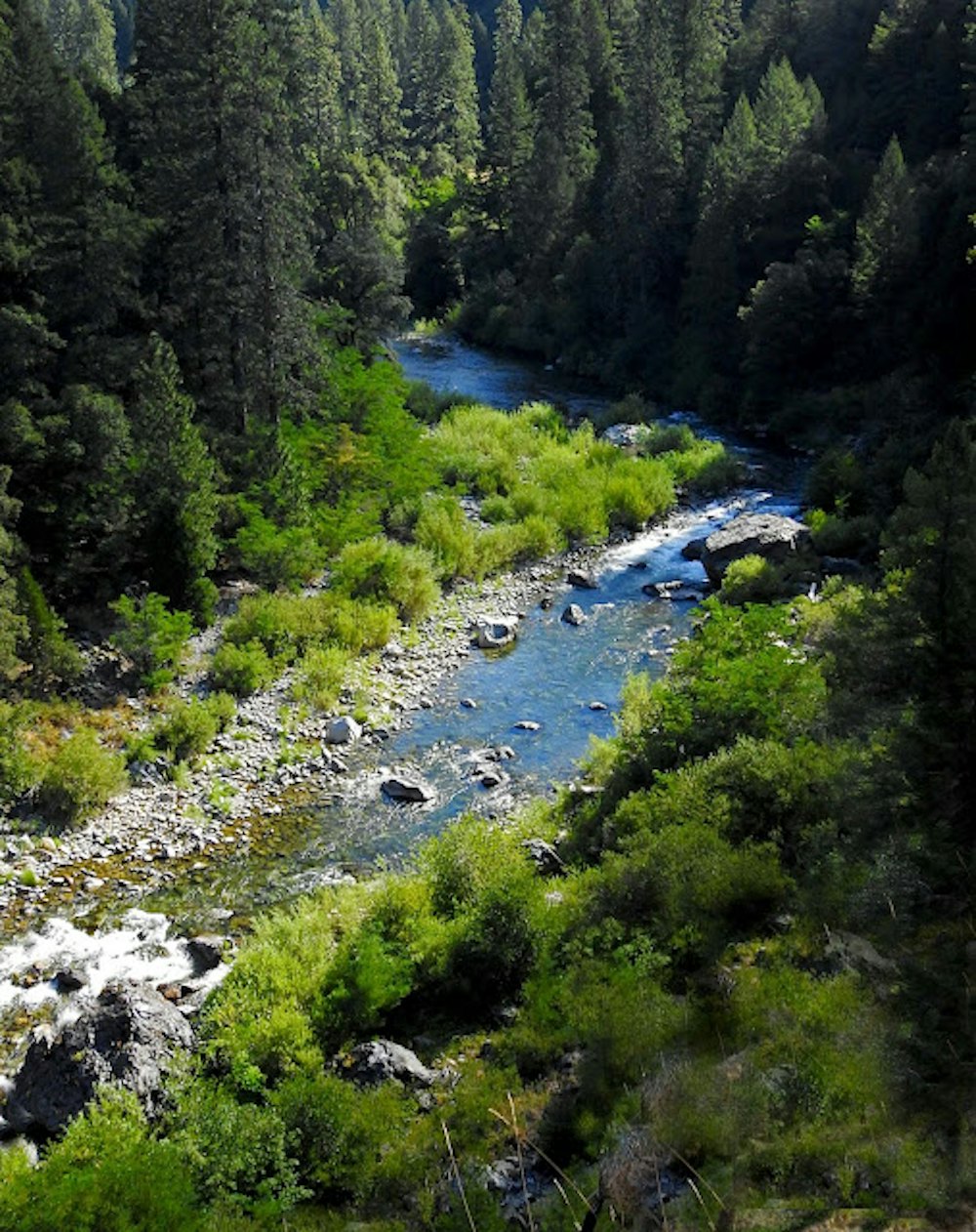
The North Yuba River flows right through our neighborhood, and is my haven during these hot summer days! Right now it is low, slow, and perfect for swimming! It is also a paradise for a naturalist! Insects, reptiles, amphibians, birds and mammals thrive in, above, and alongside this river. I never know what I might come across when I spend time there.
 Midges - Chironomidae Family
Right now there is an incredible insect hatch going on in the river! Thousands of Non-biting Midge adults are hovering just above the surface of the water!
Non-biting Midges are often mistaken for mosquitoes due to their similar size and body shape. They lay their eggs in shallow waters. The eggs sink to the bottom. In a few days the larvae hatch out of the eggs and burrow into mud, or construct a small tube in which they live, feed and develop. The aquatic larvae feed on detritus in the water and are a great source of food for fish and aquatic insects. After 2-7 weeks, the larvae turn into pupae. The pupae then swim to the surface and the adults emerge from their pupal exuviae (cast off skin). Adults do not feed and spend their short, 3-5 day lives mating!
 Twelve-spotted Skimmer - Black Saddlebag Skimmer
Libellula pulchella - Tramea sp.
The biggest predator of midges are dragonflies! There are lots and lots of adults above the river these days. They catch bugs with their legs while in flight, and then eat their catch in the air. Big dragonflies will eat their weight in insects in a day! Midges and mosquitoes are their main prey.
 Black Phoebe - Brewer's Blackbird - Western Wood-Pewee
Sayornis nigricans - Euphagus cyanocephalus - Contopus sordidulus
Black Phoebes, Brewer's Blackbirds, and Western Wood Pewees also forage above and along the river. They perch and hawk insects out of the air above the river all the time. They are not known to eat midges, but there are plenty of other insects that they feed on, such as dragonfly, mayfly, and stonefly adults. They will also search among the dry river rocks for invertebrates to eat.
There is one old Cottonwood Trees on the river edge that Great Blue Herons and Ospreys like to perch in. One morning this week there was a Red-tailed Hawk perched there! Unlike Herons or Ospreys that mainly eat fish, Red-tailed Hawks prey on birds, small mammals, reptiles and amphibians. They aren't here in large numbers so it was lucky to see one of these beautiful raptors! Down in the Garden!
 Columbian Black-tailed Deer - Odocoileus hemionus columbianus
Our garden is another haven for us and the local wildlife. Right now the blackberries in our neighborhood are all ripening up and attracting lots of critters! Across the street from our garden this morning a young buck was feasting on them! We've also seen several bear scats that are FULL of blackberry seeds! Most of all the other fruit crops in our neighborhood failed this year due to a late hard frost in March.