Katie's Sightings
2 min read
Signs of Fall - I
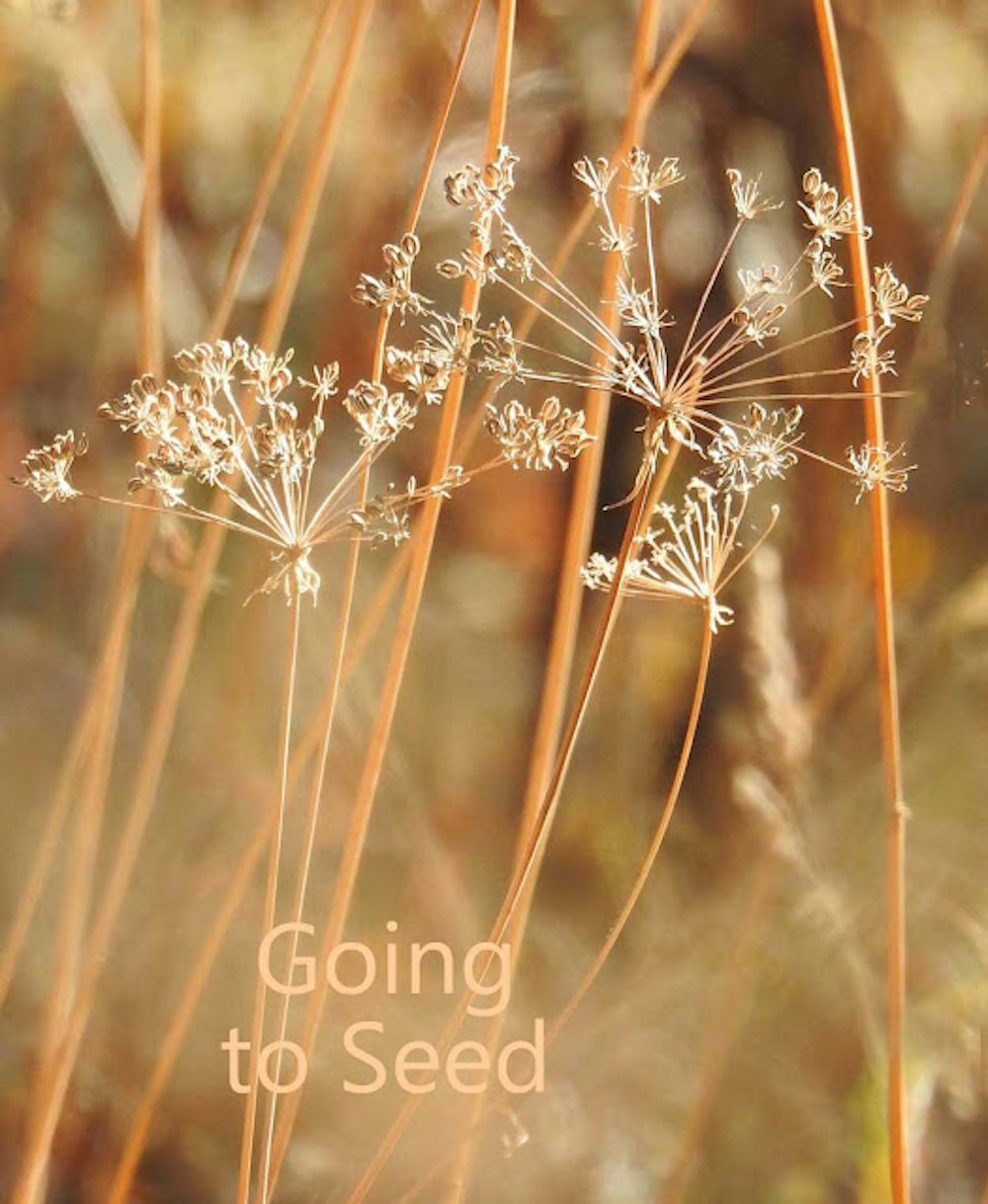
Most of the deciduous trees and shrubs are still green up in the Lakes Basin The meadows however, have dried and turned a rich golden color. Now is the time to walk out in them! You won't get your feet wet or covered in mud, and there are hundreds of beautiful, copper-colored, dried plant stalks carrying a variety of seed heads scattered throughout the meadows.
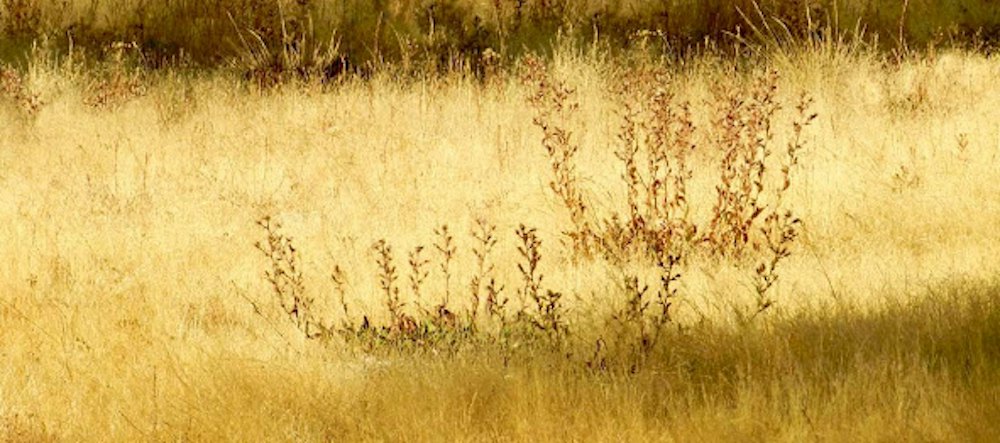
This past summer these meadows were filled with green grasses and a rainbow of wildflowers that provided pollen and nectar for insects and birds, as well as forage for large mammals. Now that the plants have dried and produced seeds, they provide even more food for birds and mammals!
There are five main modes of seed dispersal: gravity, wind, ballistic, water, and animals. The gravity and wind methods are self-explanatory. The "ballistic" method refers to seed pods that burst open and propel seeds. The water method is the dispersal of seeds via rain, rivers, streams, and lakes. The animal method has two processes of dispersal; through the droppings of animals, and by "sticking or hooking" on to an animal's fur or feathers.
 Gray's Lovage - Ligusticum grayi
The flowers in the Carrot (Apiaceae) family form beautiful, brittle, seed-filled umbels in the fall. Gray's Lovage is one of the most common ones. When we found them last week they still had thousands of dry dill-like seeds. They were so beautifully delicate and golden!
 Skeleton Weed Seeds caught in Spider Threads - Chondrilla juncea
With wind dispersal, the seeds are simply blown about and land in all kinds of places. To help their chances that at least some of the seeds land in a place suitable for growth, these plants have to produce lots of seeds.