Katie's Sightings
3 min read
Back in the Lakes Basin!
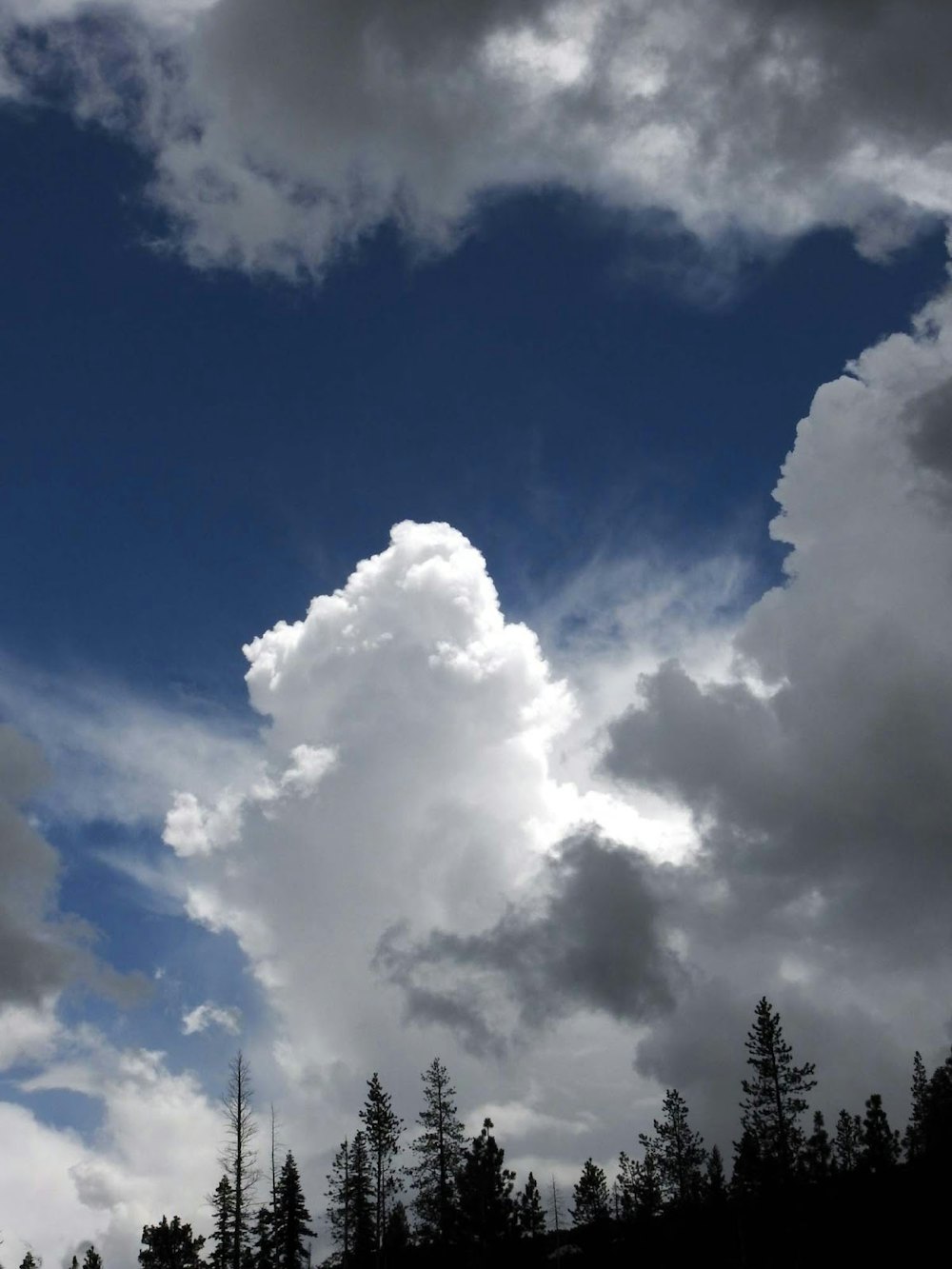
This past Tuesday, June 6th, Sierra County opened the Gold Lake Road! Yahoo! It had been closed since last December!!! My friend Nancy and I decided to go up and check out what the trail conditions were like at the Lakes Basin Campground. When we got there the road into the campground hadn't been plowed, and still had a little more than a foot of snow on it. So we hiked through the campground to the Grassy Lake trailhead.
We were hoping to get up to Long Lake. In the forest the trail was about half bare ground and half snow covered. When we got up to the sunny steep slopes below Long Lake, there were LARGE areas of packed slippery snow and the trail was obscured. The day had started out with clear blue skies, but by 11:30 am the clouds started moving in and the sky darkened quite a bit!
We got about half a mile from Long Lake, but we didn't make it. A huge bank of super dark storm clouds came in, along with thunder and lightning, so we opted to try again another day and headed back down the trail.
 Long Lake - June 8, 2017
Six years ago, on June 8, 2017, we hiked all the way up to Long Lake and this is what it looked like! It probably looks even snowier right now!
On that day we were also able to hike on a mostly snow free slope that overlooked Long Lake. We eventually had to turn around, due to a super steep slippery snow field that was too dangerous to cross! Again, Long Lake probably looks a lot like this right now! We'll try to get there in another week or so!
 Snow Plant - Sarcodes sanguinea
On the way up to Long Lake we were delighted to find some wildflowers in bloom along the trail! The Snow Plant pictured above was a welcome, familiar sight! It is one of the first flowers to bloom as the snow melts. We also saw several others that were just starting to emerge. Snow plants grow in the thick humus of montane coniferous forests from 4000' to 8000', often under pines, blooming from May to July. It supplements its nutrient intake by parasitizing the roots of pine trees by means of a shared mycorrhizal fungus.
Wikipedia states "Snow Plant is a parasitic plant that derives sustenance and nutrients from mycorrhizal fungi that attach to tree roots. Lacking chlorophyll, it is unable to photosynthesize. Ectomicorrhizal symbioses involve a mutualism between a plant root and a fungus; the plant provides fixed carbon to the fungus and in return, the fungus provides mineral nutrients, water and protection from pathogens to the plant. The snow plant takes advantage of this mutualism by tapping into the network and stealing sugars from the photosynthetic partner by way of the fungus. This is known as mycoheterotrophy. The snow plant is host-specific and can only form relationships with the ectomycorrhizal basidiomycete Rhizopogon ellenae (false truffle)."
In the sunny areas Creeping Phlox and Mahala Mat were blooming. These beautiful plants create lovely lavendar-purple carpets on the forest floor. The phlox has a heavenly fragrance, and the Mahala Mat is unbelievable when you look at it with a hand lens! In the damper, shadier areas we saw many Fawn Lily buds just emerging, and a few stalks in full bloom!
By the time we got back down to our car and started driving home, the dark clouds had spread out and turned white! Such beauty! It was a wonderful first day back in the Lakes Basin, our home away from home!
Your questions and comments are appreciated. Please feel free to email me at northyubanaturalist@gmail.com. Thanks!