Night Sky
1 min read
Winter Solstice
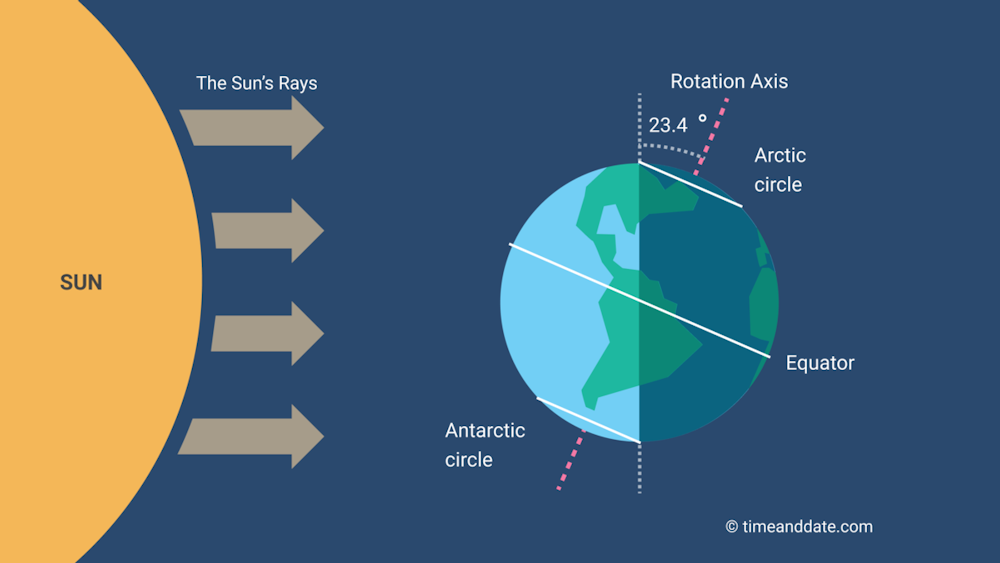
The word solstice comes from the solstitium, the Latin word for "sun standing still", and for a moment next Wednesday, December 21, at 1:48 p.m. this will happen in northeastern California. This is the time when the sun, for the first time since last June 21 (the Summer Solstice), will begin shining for a longer period each day.
For many thousands of years, cultures around the world have celebrated this moment of “rebirth” for the sun. The Feast of Juul (Yule) was a pre-Christian, Scandinavian festival held at the time of the December solstice. Fires were lit to symbolize the heat, light and life-giving properties of the returning sun. In ancient Rome, the winter solstice coincided with Saturnalia, a week-long festival honoring Saturn, the father of the gods, characterized by settlement of grudges and quarrels and the closure of businesses, courts, and schools. Until banned by the Spanish conquistadors in the 16th century in their effort to convert the Peruvians to Christianity, the Incas celebrated a special festival to honor the sun god Inti at the time of the December solstice.
Arguably, Christmas, the time when Christians celebrate the birth of Jesus, was invented to replace traditional, pagan/heathen festivities.