Poetry Corner
2 min read
Behind Stowe
Elizabeth Bishop
I heard an elf go whistling by,
A whistle sleek as moonlit grass,
That drew me like a silver string
To where the dusty, pale moths fly,
And make a magic as they pass;
And there I heard a cricket sing.
His singing echoed through and through
The dark under a windy tree
Where glinted little insects’ wings.
His singing split the sky in two.
The halves fell either side of me,
And I stood straight, bright with moon-rings.
This poem is in the public domain.
About this poem: Originally published in 1927 in The Blue Pencil, a literary magazine by the Walnut Hill School in Massachusetts, where the 16-year-old Bishop was a student, the poem reflects romanticism — a reverence for the natural world, emotional passion, and an interest in mystical and supernatural influences upon the psyche.
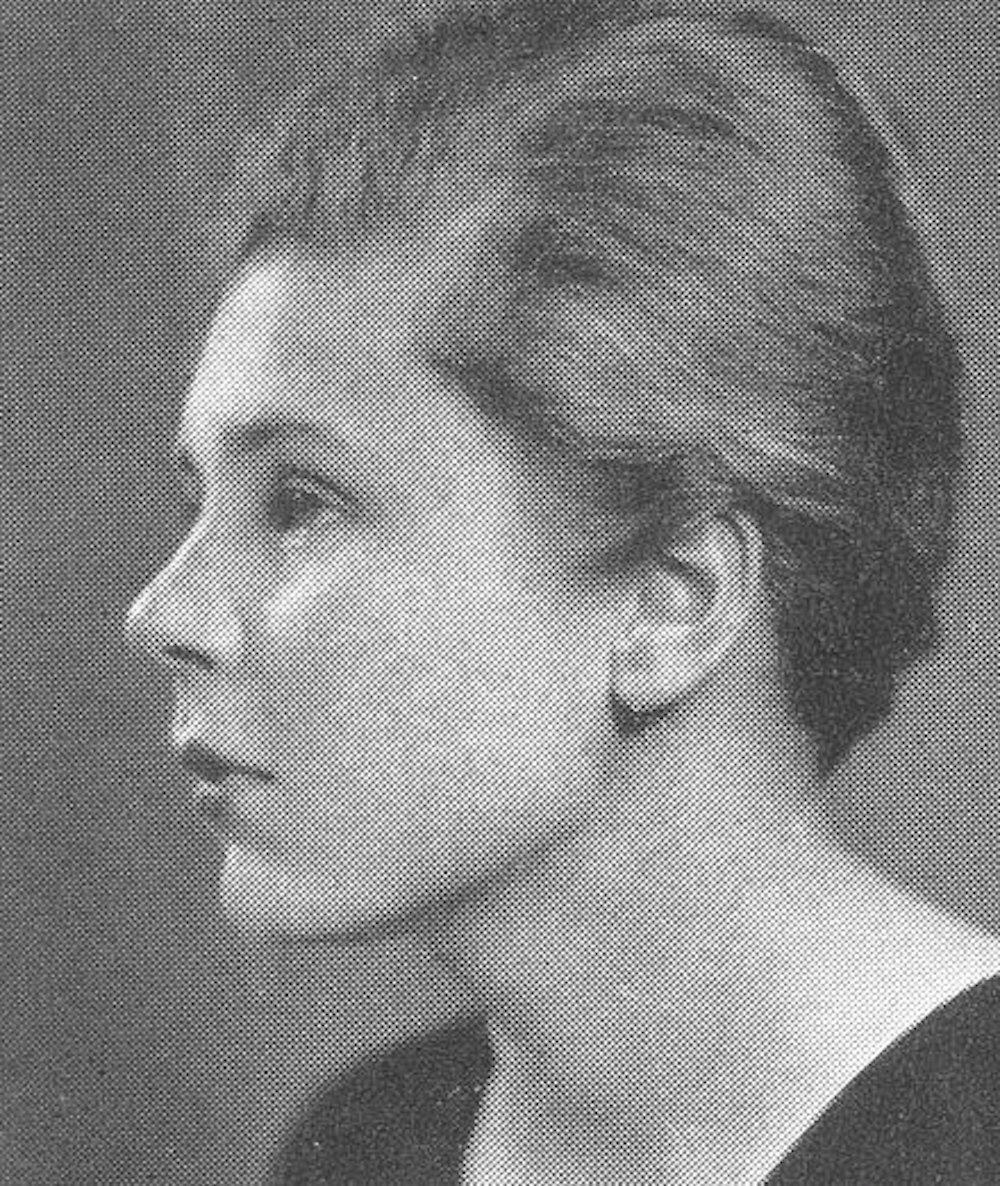
About this poet: Elizabeth Bishop, born in Worcester, Massachusetts on February 8, 1911, was effectively orphaned very early in childhood and due to illnesses she received very little formal education until she entered high school. After graduating from Vassar College in 1934, she spent a few of years based in France while traveling extensively in Spain, Ireland, Italy and North Africa with a friend from Vassar. In 1938 the couple moved to Key West, Florida in 1938. While based in Key West, her first book of poems, North & South, was published in 1946 and it won the Houghton Mifflin Prize for poetry. In 1949 she moved to Washington, D.C, to serve as the Consultant for Poetry at the Library of Congress. Two years later, having received a traveling fellowship from Bryn Mawr College she set off to circumnavigate South America. However, in fact, she ended up spending the next 15 years living in Brazil with a woman architect and immersing herself in Brazilian history and literary culture. Following her lover’s death, she returned to the U.S. in 1967 and, after time spent in New York and San Francisco, she spent the last years of her life teaching poetry at Harvard, the University of Washington, and New York University. Two years after publishing her last book, Geography III, she died of a cerebral aneurysm in Boston.