Senate Committee Advances Grizzly Bear Roadmap Bill
Rural sheriffs and Assemblymember Hadwick raise safety concerns.
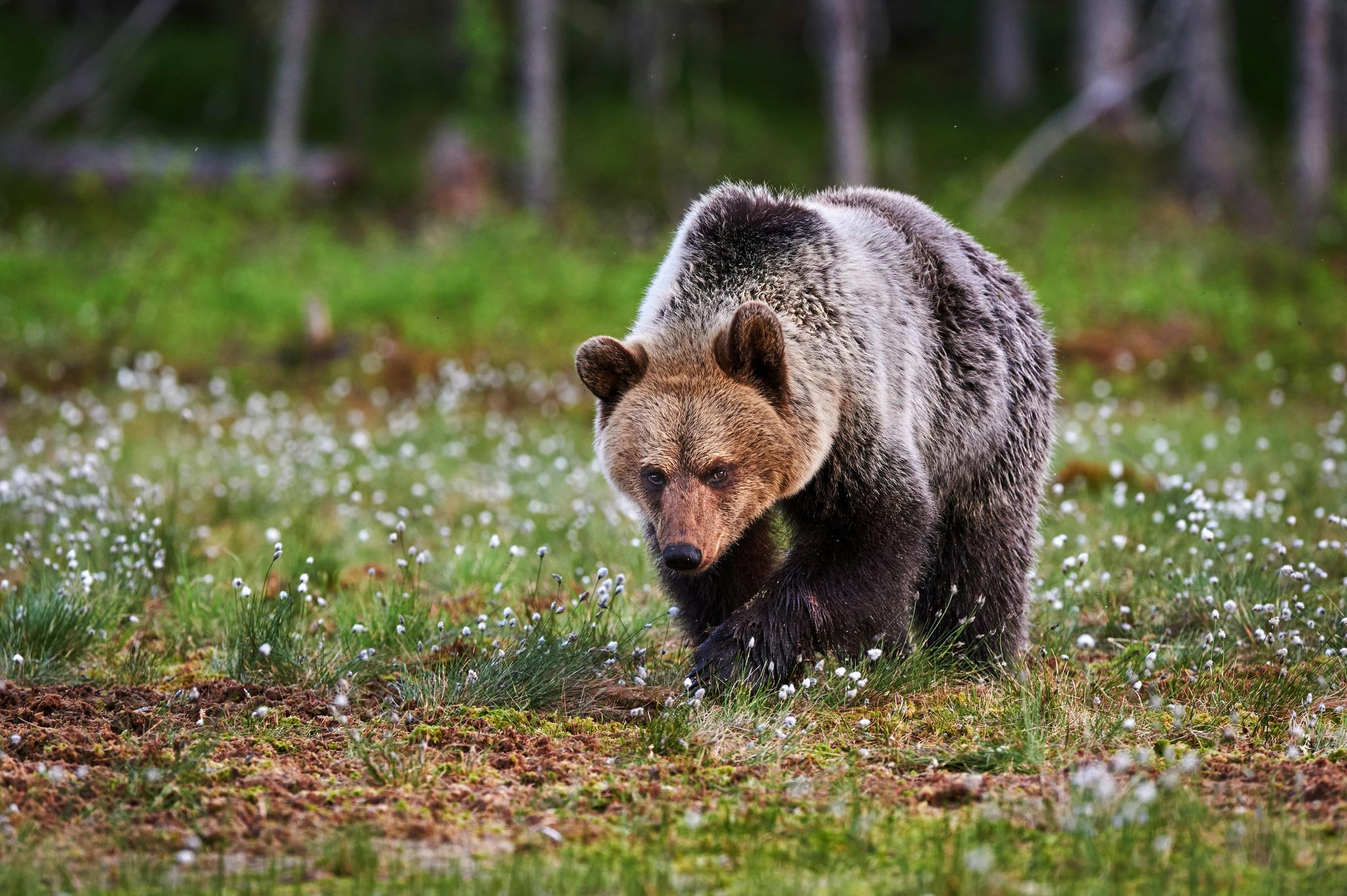
The Grizzly Bear, not seen in California since the 1920s.
SACRAMENTO — The Senate Natural Resources and Water Committee passed Senate Bill 1305 on April 7. The measure cleared the panel on a 4-1 vote.
The bill directs the California Department of Fish and Wildlife to develop a roadmap assessing whether grizzly bear reintroduction is possible. The plan must evaluate habitat suitability, population viability, ecological impacts, and costs. It requires consultation with tribes, local governments, landowners, law enforcement, outdoor recreation groups, and other stakeholders. The roadmap’s deadline was shifted to 2030 under amendments. No reintroduction can occur until a full feasibility determination, peer review, and new regulations are in place.
Senator Laura Richardson, the bill’s author, presented the measure and accepted the committee’s changes. “This bill is a roadmap to determine if the reintroduction of the grizzly is feasible,” she said. She acknowledged concerns from rural communities and committed to further dialogue. Tribal leaders offered strong support. Octavio Escobedo III, chairman of the Tejon Indian Tribe, testified that the grizzly is a relative to his people. “SB 1305 does something very simple and very responsible,” he said. “It asks California to do the work before making any decision.” Tiana Williams Claussen, director of the Yurok Tribe Wildlife Department, echoed that view and called the bill a step toward reestablishing a millennia-old relationship.
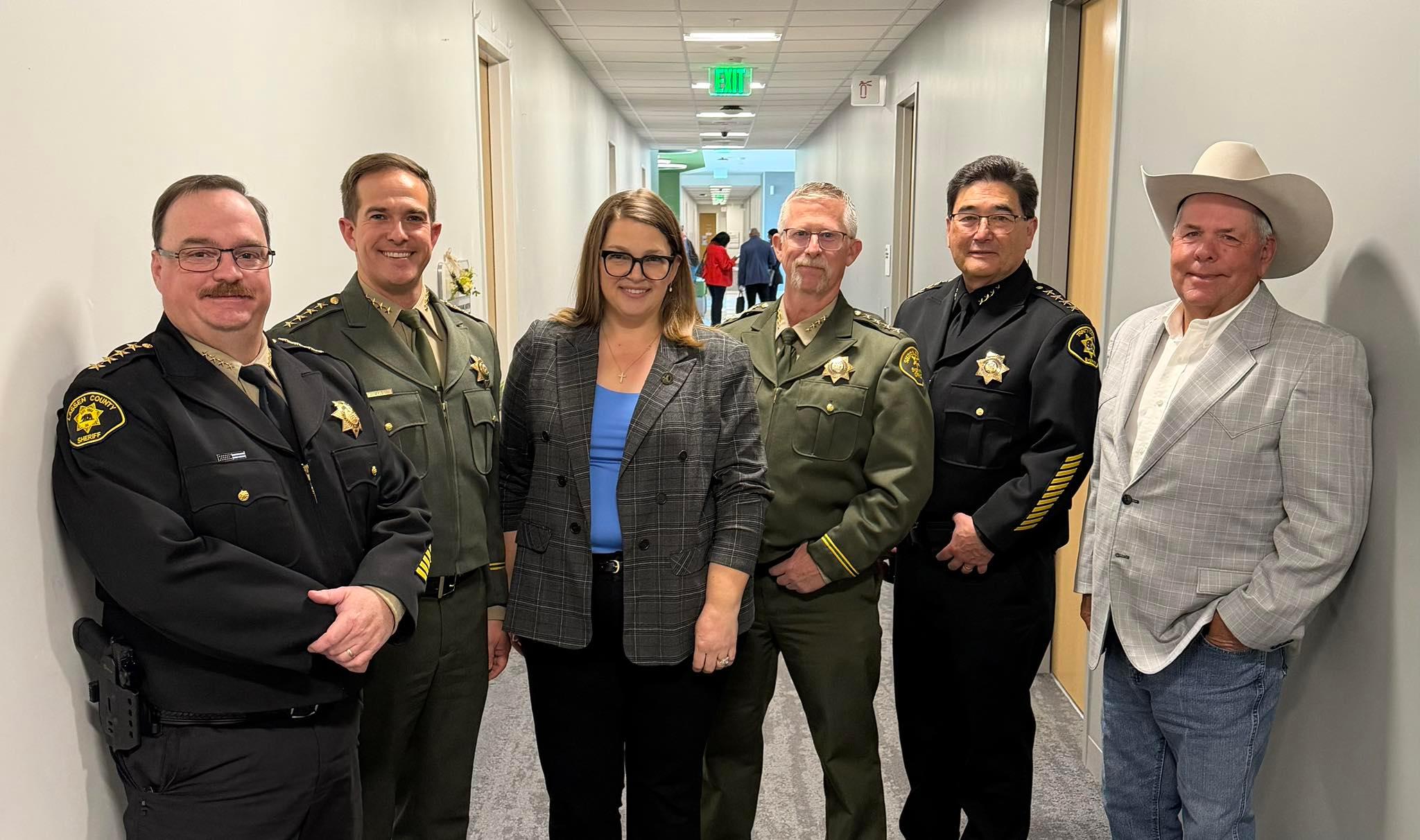
Assemblywoman Heather Hadwick with local leaders opposed to SB 1305, including Sierra County Sheriff Mike Fisher. Credit: Assemblymember Heather Hadwick / Facebook.
Rural law enforcement leaders and agricultural representatives testified in opposition. Several Northern California sheriffs attended the hearing and registered opposition to the proposal. Sierra County Sheriff Mike Fisher said that, until the California Department of Fish and Wildlife can manage the current apex predators in the state, he didn’t see how adding another apex predator was feasible. Sheriffs in Lassen, Trinity, El Dorado, and Siskiyou counties, as well as the president of the California Cattlemen’s Association, opposed the bill. David Bass, a retired chief of law enforcement for the Department of Fish and Wildlife, warned of increased human-wildlife conflicts and limited agency capacity. “Putting grizzlies on the landscape in California will create a public safety risk,” he said.
Assemblywoman Heather Hadwick, who represents District 1, released a statement following the hearing. She recognized the cultural importance of grizzly bears to tribes but emphasized practical challenges in rural areas. “Reintroducing another apex predator without first addressing these challenges would place additional pressure on a system that is already struggling to keep up,” Hadwick said. She thanked the sheriffs who testified and pledged to remain engaged as the bill moves forward. “Decisions of this magnitude must reflect the realities on the ground, and we will remain at the table to advocate for our communities every step of the way,” she added.
The bill now heads to the Senate Committee on Appropriations. Members of the public may submit position letters through the legislative advocates portal. The full text of the bill is available here.