Sierra County Fire Ban Ends as Tahoe Eases Restrictions
Private-property restrictions lift; Stage 1 rules continue on national forest land
3 min read
SIERRA COUNTY — Sierra County’s seasonal outdoor-fire ban ended Monday, September 28, as Tahoe National Forest lowered its fire restrictions from Stage 2 to Stage 1.
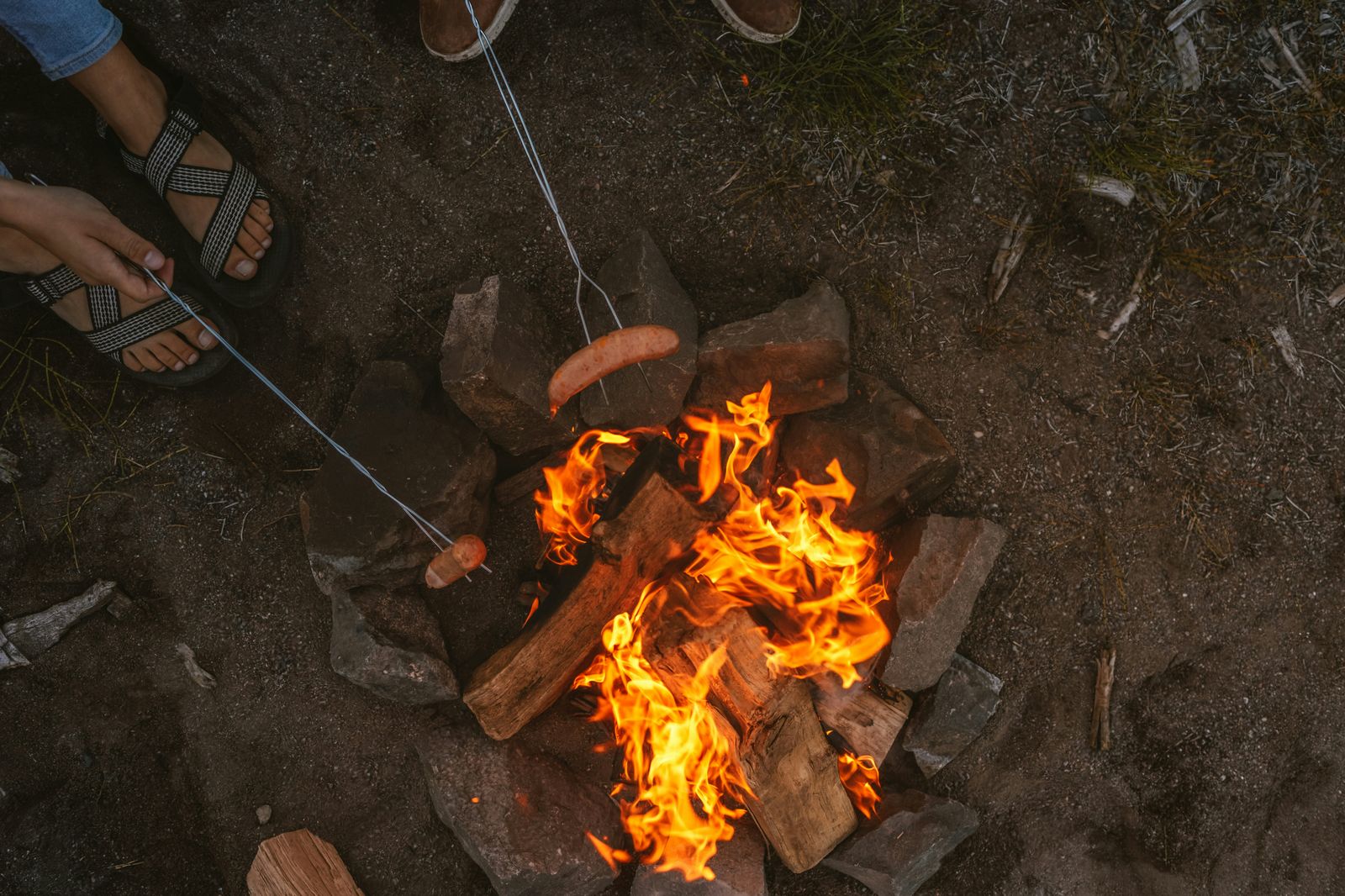
The change lifts the county’s seasonal prohibition on backyard campfires, fire pits, and charcoal or wood-fueled barbecues. That ban covered private property in the unincorporated county, along with public land there that is not owned or controlled by state or federal agencies.
The county ordinance activates the ban when the Forest Service unit with the greatest presence in the county imposes Stage 2 restrictions, or when open flames are restricted at hosted forest campgrounds during extreme fire danger. The county prohibition ends when the triggering Forest Service restrictions are lifted, unless the Board of Supervisors rescinds it sooner. The Mountain Messenger detailed the county restrictions when they took effect in August.
Residents planning to burn yard debris must still check whether burning is allowed and follow the applicable permit and burn-day requirements. CAL FIRE’s burn-permit page explains the requirements within its jurisdiction and directs other residents to their local fire authority and air district.
On Tahoe National Forest land, Stage 1 allows wood and charcoal fires in provided fire rings or grills at designated developed recreation sites.
Wood and charcoal fires remain prohibited at dispersed campsites, including spots where previous visitors have built a rock fire ring.
The forest’s Stage 1 restrictions are scheduled to remain in effect through October 31, though they could be lifted or extended based on conditions.
The Stage 1 forest order includes the full list of eligible recreation sites in Exhibit A. The list includes Loganville, Union Flat, Salmon Creek, and Sardine campgrounds, as well as Wild Plum Campground near Sierra City. Wood and charcoal fires must stay in the rings or grills provided at those sites.
Backpackers and people camping outside developed sites can use a portable cooking stove, propane fire pit, or lantern under the order’s permit exception. They must have a valid California Campfire Permit, and the device must have a shut-off valve and burn only gas, kerosene, jellied petroleum, or pressurized liquid fuel. It must be used at least three feet from flammable material.
Wood-burning camp stoves and portable charcoal barbecues are prohibited at dispersed sites.
Campfire permits are free and available through the online permit application. The permit should be kept available for officials to check.
For motorized recreation, the order restricts internal-combustion engines to paved, gravel, or dirt National Forest System roads and trails. It makes exceptions for the Prosser Pits Developed Off-Highway Vehicle Area and boats operating on the water. The Forest Service advises drivers to stay on designated routes, keep vehicles out of tall, dry vegetation, and secure trailer chains so they do not drag.
Smoking is allowed inside an enclosed vehicle or building, at a recreation site listed in Exhibit A, or while stopped in a spot at least three feet in diameter that is bare or cleared of flammable material. The Forest Service asks smokers to fully extinguish smoking materials and pack out cigarette butts and filters.
Fireworks remain prohibited on national forests year-round.
Visitors can check the forest order’s site list and confirm campground conditions with the Tahoe National Forest at 530-265-4531. Where campfires are allowed, the Forest Service says to keep someone attending the fire at all times. To put it out, soak it with water, stir it with a shovel, and soak it again. Check for heat with the back of a hand and repeat until no heat remains.