CAL FIRE Drafts Strategy to Boost California Urban Tree Canopy
Public input sought by April 30 on plan to add 151 square miles of shade by 2035.
3 min read
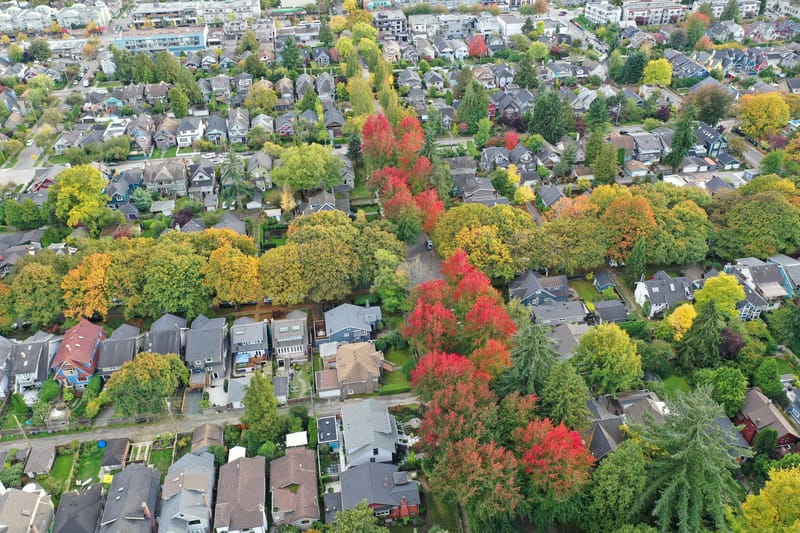
The plan aims to increase the number of trees planted in urban areas.
CALIFORNIA — The California Department of Forestry and Fire Protection released a draft strategic plan in March 2026 to expand urban tree canopy across the state. The document, titled “Greening the Golden State: Urban Forest Canopy Plan for California,” calls for a 10 percent increase in canopy cover above 2018 levels by 2035. Officials opened a public comment period to gather feedback from residents, local governments, nonprofits, and other partners. Comments must be submitted by 5:00 PM PST on April 30, 2026, via an online engagement platform.
California’s urban canopy covered 16.5 percent of urban land in 2018, according to CAL FIRE data. Between 2018 and 2022, the state lost 5.2 square miles of canopy even as heat events grew more intense. Achieving the 2035 target requires 151.4 square miles of net new canopy. Disadvantaged communities currently average 3 percent less canopy than other areas, leaving millions of residents with less shade and higher heat exposure.
Urban trees deliver measurable benefits to communities. Trees lower air and surface temperatures, reduce energy demand, filter pollutants, manage stormwater, and support biodiversity. Studies cited in the draft plan link higher canopy levels to fewer cases of asthma, cardiovascular disease, and heat-related illness. Additionally, the urban forestry sector generates $13 billion in annual economic output and supports nearly 80,000 jobs statewide.
The draft plan identifies multiple threats to existing trees. Development may replace green space with pavement. Climate change may bring longer droughts, more extreme heat, wildfire risk, and pest outbreaks. Many cities lack consistent funding and trained staff for long-term tree care. Mature trees provide the most benefits yet face removal pressures from infrastructure conflicts and aging.
Three core strategies guide the plan. Officials call for planting new large-canopied trees, especially in low-canopy and high-heat neighborhoods. Improved maintenance will help young trees survive and mature. Stronger protections will preserve existing mature trees that deliver outsized value. The draft includes 13 statewide policy recommendations and 12 regional policies to integrate canopy goals into planning, development standards, and funding decisions.
CAL FIRE State Urban Forester Walter Passmore emphasized the importance of trees as infrastructure. “Trees are not a luxury. They are our best and most cost-effective defense on the local level to protect humans from extreme heat, and we must treat them as critical infrastructure,” Passmore said in the agency’s press release. “The California Urban Forest Canopy Plan is an opportunity to make lasting, equitable investments in our communities, and meaningful public input is essential to ensure the plan reflects local priorities, addresses real challenges, and delivers benefits where they are needed most across the state.”
The plan stems from Assembly Bill 2251, enacted in 2022, which directed CAL FIRE to create the document in partnership with California State Polytechnic University, San Luis Obispo. Input received during the comment period will shape the final version expected later in 2026.
The draft also outlines implementation steps over the next decade and beyond. High-priority actions in the first five years focus on planting targets, policy updates, and workforce development. Medium-term efforts address regional coordination and funding stability. Long-term measures emphasize ongoing maintenance, research, and equity. Local governments, nonprofits, schools, and residents all share responsibility for canopy gains.
CAL FIRE administers the Urban and Community Forestry Program, which provides grants, technical assistance, and outreach. The program already supports tree planting, schoolyard greening, and urban forest management plans in communities across the state. The new canopy plan builds on that foundation to reverse recent losses and align efforts with California’s climate goals.
Additional resources and the draft document are available through CAL FIRE’s Urban and Community Forestry Program page.