WCB Considers Grant for Sierra Valley Tribal Land Purchase
Sierra County Board discusses grant for Washoe Tribe’s land purchase for habitat preservation.
3 min read
Updated
Update, 11/21 – The Wášiw-šiw Land Trust received a $5.5 million grant from the WCB in support of land purchases in the Sierra Valley, according to the Feather River Land Trust.
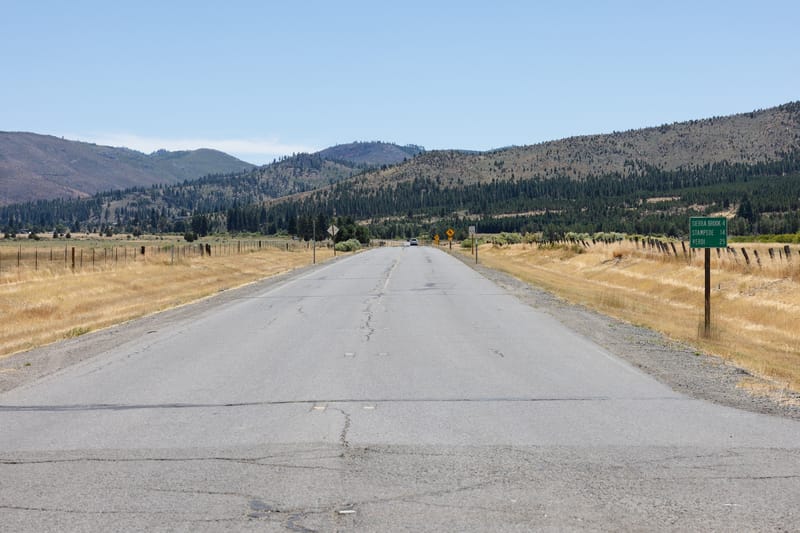
The Washoe Tribe is looking to purchase open land near Loyalton.
LOYALTON — On Tuesday, the Sierra County Board of Supervisors heard from Washoe Tribe Chairman Serrell Smokey about a potential grant-funded purchase of more than 10,000 acres in Sierra and Lassen counties “for the preservation and enhancement of wildlife habitat.” California’s Wildlife Conservation Board (WCB) wrote that it will consider the grant application in a letter to Lassen and Sierra County Supervisors. Parcels in Sierra County under consideration are north and east of Loyalton. The land is currently privately owned by the City of Santa Clara, with portions being leased to a rancher for grazing livestock.
Supervisor Sharon Dryden brought the item to the board, saying she supports returning the land to tribes that had settled there in the past. She noted confusion, however, about the grant structure because the Feather River Land Trust (FRLT) was involved in the grant process but would not be the recipient of the land. FRLT Land Protection Manager Kristi Jamason clarified that the FRLT was applying for the grant in the name of the Wášiw-šiw Land Trust (Wášiw-šiw being the name for the Washoe Tribe’s people in the Washoe language).
Smokey says the Wášiw-šiw Land Trust is a new non-profit organization to be used for all future land purchases by the tribe. The endeavor aims to make up for Washoe tribal allotments granted to individuals, which, while previously common in the area, were lost over time as the allotments were converted to private ownership. The Washoe Tribe never received a large, formally designated reservation. Smokey adds that the Land Trust can also help the tribe procure donations, since philanthropists may prefer donating to a non-profit rather than the tribe itself.
In discussion with supervisors, Smokey committed to working with the Tahoe National Forest to ensure access to the land for fire prevention measures. He notes, however, that, given the land’s current open status, cleanup is necessary, including the removal of trash. While Smokey says that “grazing has its place,” including to reduce fire risk, he did not commit to allowing cattle to freely graze on the land, explaining that open range grazing can also be detrimental to the land. He says that the Land Trust will try to work with everybody, but notes, “we’re not gonna please everybody, and it’s not gonna be the same. It’s not just gonna be open area.”
Concerns were also raised by rancher and California Cattlemen’s Association President Rick Roberti and Supervisors Dryden and Paul Roen about the land being purchased with California taxpayer money. Roberti argued that granting the funds could set a precedent for further private land purchases with public money throughout the Sierra Valley. Roen added, “There will be frustration because the public is going to be aware that they’re the ones paying for it.”
Correction: A previous version of this article stated that the land under consideration for purchase was open to the public, including for cattle grazing. A representative of the Washoe Tribe explained that the information was not correct, and shared the following statement: “The land is currently owned by the City of Santa Clara and portions of it are leased to a rancher for grazing his own livestock. Future access to the property will be determined by the Wášiw-šiw Land Trust once it officially obtains ownership and is able to more closely assess conditions. The land trust will follow all state and local laws, rules, and regulations once it assumes ownership of the property. The tribe looks forward to stewarding this land for many generations to come.”